
Corns and Calluses: What You Need to Know
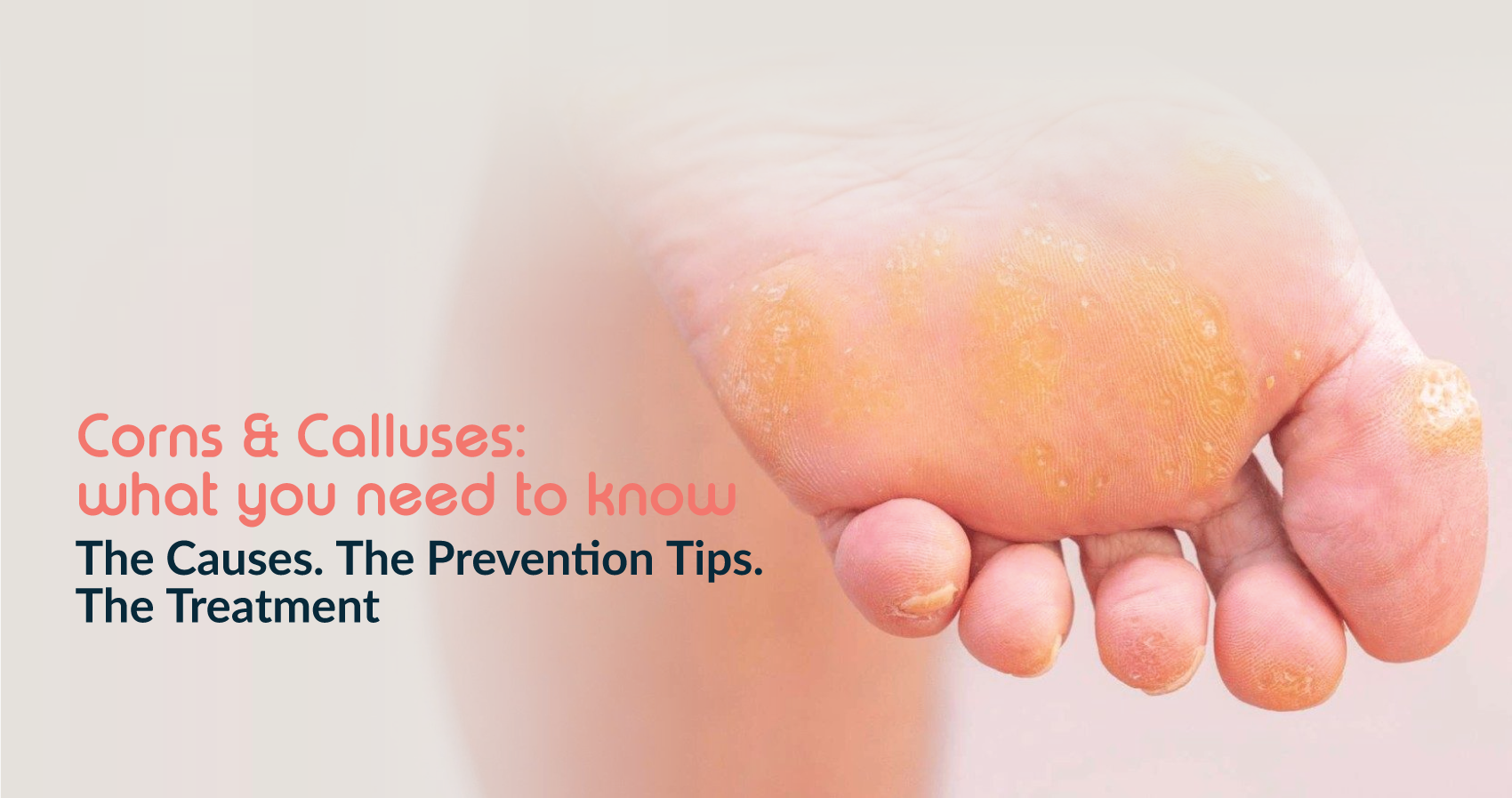
Corns and calluses are common foot conditions caused by repeated pressure and friction on the skin. They often develop gradually and may start as mild skin thickening before becoming uncomfortable or painful.
Although they are usually harmless, untreated corns and calluses can affect daily comfort, walking, and overall foot health. Understanding the causes, symptoms, and treatment options can help prevent long-term discomfort and keep your feet healthy.
What Are Corns and Calluses?
Corns and calluses are thickened layers of skin that form as the body’s natural response to pressure or friction. Corns are usually smaller, deeper, and appear on or between the toes. They may be painful when pressure is applied.
Both conditions are very common and can worsen if the source of pressure is not addressed properly.
What Causes Corns and Calluses?
Corns and calluses usually develop because of repeated pressure on specific areas of the feet. Several daily habits and lifestyle factors can contribute to their formation.
Common causes include:
- Tight or uncomfortable shoes
- Long hours of standing or walking
- High heels
- Foot deformities such as bunions
- Sports and repetitive movement
When pressure continues over time, the skin thickens itself to provide protection. Without proper care, this buildup may become painful and interfere with comfortable movement.
Common Symptoms
Recognizing the symptoms early can help prevent corns and calluses from becoming more severe. In many cases, mild discomfort can gradually turn into pain if left untreated.
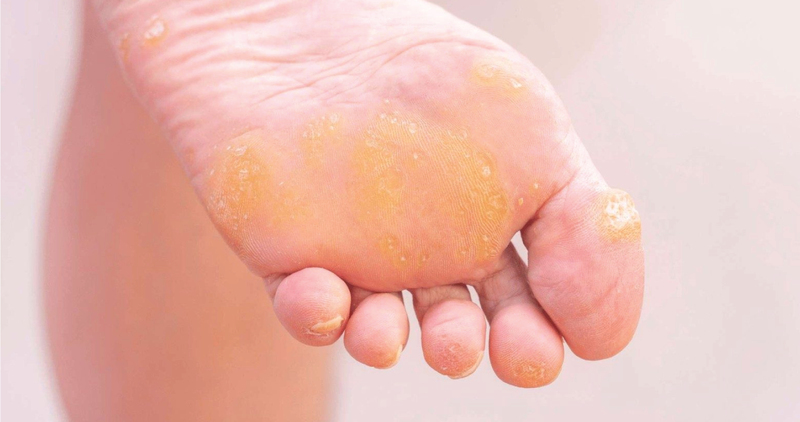
- Thick or rough skin
- Pain while walking
- Dry or cracked skin
- Small hardened bumps on the toes
Although symptoms may initially seem minor, professional assessment can help identify the underlying cause and prevent recurring pressure buildup.
How to Prevent Corns and Calluses
Preventing corns and calluses often starts with proper foot care and reducing excessive pressure on the feet. Simple daily habits can make a significant difference in maintaining healthy skin.
Helpful prevention tips include:
- Wear properly fitted shoes
- Keep feet moisturized
- Use cushioned insoles
- Avoid excessive pressure on the same areas
- Schedule regular foot care checkups
Consistent preventive care not only reduces discomfort but also helps improve mobility, posture, and long-term foot health.
Feetlab’s Professional Approach
Professional treatment helps safely remove hardened skin while addressing the root cause of pressure and friction. At Feetlab, treatments are designed to provide both immediate relief and long-term prevention.
Patients may benefit from:
- Medical callus removal
- Corn treatment procedures
- Pressure redistribution techniques
- Custom insoles and gait assessments
- Footwear recommendations
- Preventive foot care programs
Feetlab combines advanced foot care techniques with personalized treatment plans tailored to each patient’s needs. By identifying pressure points and improving foot support, the clinic helps patients walk more comfortably and confidently every day.
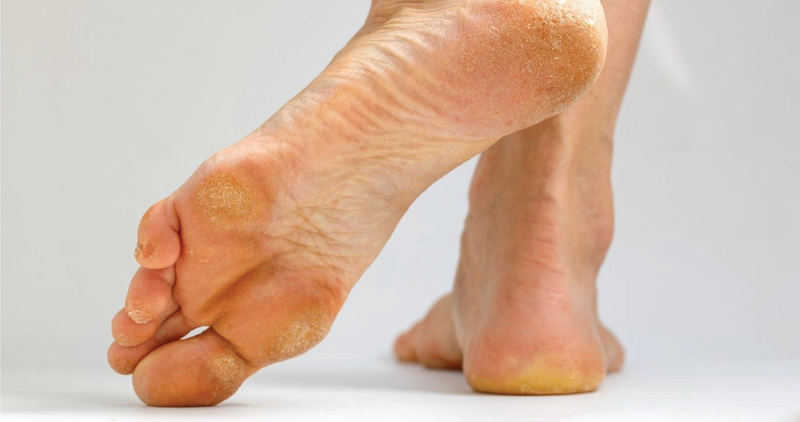
Professional care ensures safe treatment using medically approved methods and hygienic procedures.
Conclusion
Corns and calluses are common foot conditions that can affect comfort, mobility, and overall foot health if ignored. While they often develop gradually, early care and professional treatment can help prevent pain and recurring skin buildup.
Choosing proper footwear, maintaining regular foot care, and addressing pressure points early are essential steps toward healthier feet. With the right treatment approach and preventive care, it is possible to stay comfortable, active, and pain-free in everyday life.