
The Most Common Foot Cases We Treat at Feetlab
People come to us with different complaints, but the same conditions keep appearing. These are the most common foot cases we treat, what causes them, and what actually helps.
Common Foot Cases We Treat
Foot pain and foot problems can affect your comfort, mobility, and overall health if left untreated. At Feetlab, our podiatrists diagnose and treat a wide range of foot conditions, resulting in the right way to tackle them.
1. Calluses
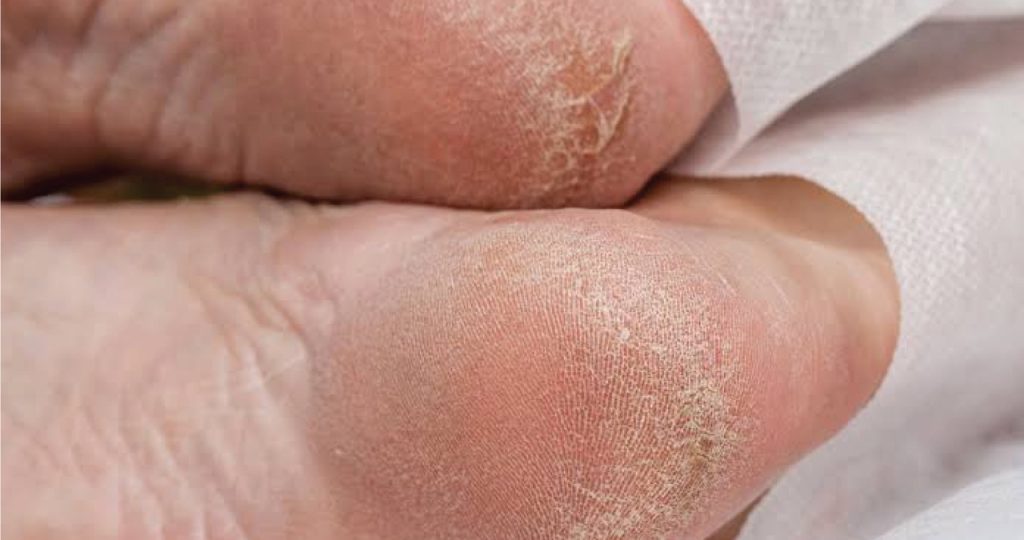
Thickened skin that builds up from repeated pressure, usually on the heels, ball of the foot, or sides of the toes. Left alone, they harden, crack, and sometimes bleed.
- Home files treat the surface, not the pressure causing it
- A medical pedicure removes the buildup and addresses the source
Calluses do not sort themselves out once they are established. Professional treatment is the only way to properly resolve them.
2. Ingrown Nails
The nail edge curves into the surrounding skin, causing pain, swelling, and sometimes infection. Most common on the big toe, usually made worse by incorrect cutting or tight shoes.
- Cutting nails too short or rounding the corners is the most common cause
- We treat ingrown nails clinically, without surgery in most cases

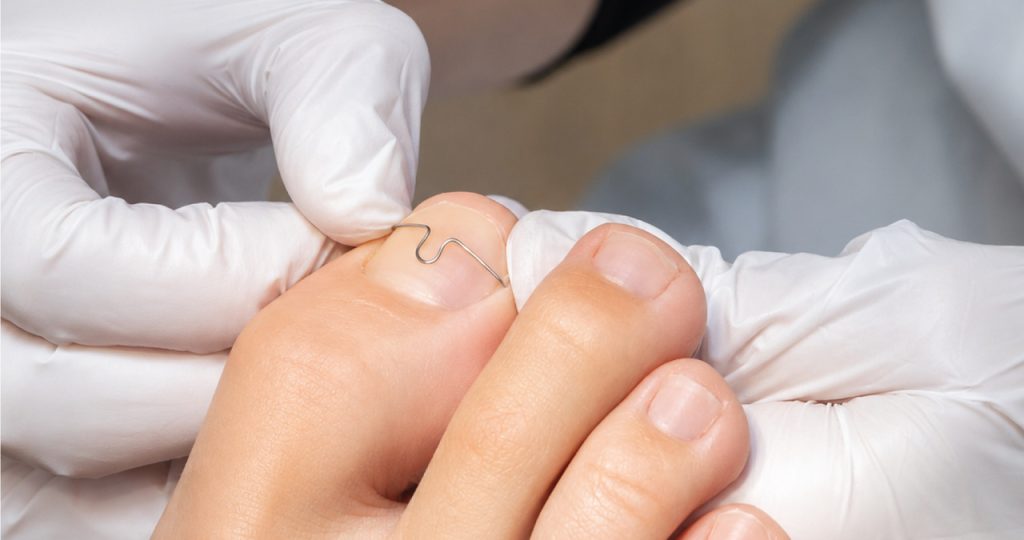
The earlier an ingrown nail is treated, the simpler the resolution. Leaving it leads to infection and more involved treatment.
3. Fungal Infections
Thickened, discolored, or brittle nails are often a fungal infection rather than an injury or an ageing-related change. The warm, humid environment inside shoes makes this particularly common in the UAE.
- Fungal infections do not resolve without proper treatment. They spread.
- Athlete’s foot is the skin version: peeling and itching between the toes
Over-the-counter products often fail because they address the surface but not the source. Clinical treatment is needed for lasting results.
4. Diabetic Feet
Diabetes reduces sensation and circulation in the feet. Minor issues like blisters, pressure areas, and small cuts go unnoticed until they become serious.
- Regular assessment is a clinical necessity, not optional
- Annual check-ups are recommended even with no visible symptoms
Catching issues early in diabetic feet is the single most effective thing we can do to prevent escalation. Prevention here is the treatment.
5. Flat Feet
Little or no arch contact with the ground. Often symptom-free for years, then presents as arch pain, heel pain, or fatigue in the legs and lower back.
- Custom insoles make a significant difference for adults with flat feet
- Pain in the knee, hip, or lower back is sometimes traced back to unsupported flat feet
At Feetlab, we use 3D scanning to produce custom insoles matched to the shape and pressure profile of your feet, not generic shapes from a shelf.
6. Aging Feet
Fat pads thin out. Skin dries and loses elasticity. Nails thicken. Circulation slows. Most older patients come in after managing for years and finding it increasingly difficult.
- Thickened nails are extremely common and can cause real discomfort if left unmanaged
- Reduced circulation makes healing slower and skin more fragile
Regular professional foot care for older adults is genuinely preventive. It catches problems before they escalate and keeps the feet functional.
7. Obesity and Foot Health
Excess weight significantly increases the load on the feet and lower limbs with every step, accelerating joint wear and making heel and arch pain considerably more likely.
- Plantar fasciitis is significantly more common with higher BMI
- Custom insoles and correct footwear reduce the impact on the joints
We address the foot directly with practical tools. Small changes in support and footwear can make a measurable difference to daily comfort and mobility.
8. Pregnancy
Hormones loosen ligaments, weight increases, and swelling is very common especially in the third trimester. Arch flattening during pregnancy can persist after delivery if not addressed.
- Reflexology and pressotherapy help manage swelling and improve circulation
- Medical pedicure treatments are safe throughout pregnancy
Foot care during pregnancy is an area where a little attention goes a long way, both for short-term comfort and for preventing longer-term structural changes.
You can check our Instagram page for additional information regarding any of the common foot cases mentioned above.
The Common Foot Cases – When to Come In
Most foot cases are highly manageable when diagnosed and treated early. What often begins as mild discomfort or a cosmetic concern can gradually develop into persistent pain, reduced mobility, or more complex complications if left untreated.
Early assessment allows for simpler, more effective treatment, helping prevent long-term damage and keeping you active, comfortable, and on your feet.