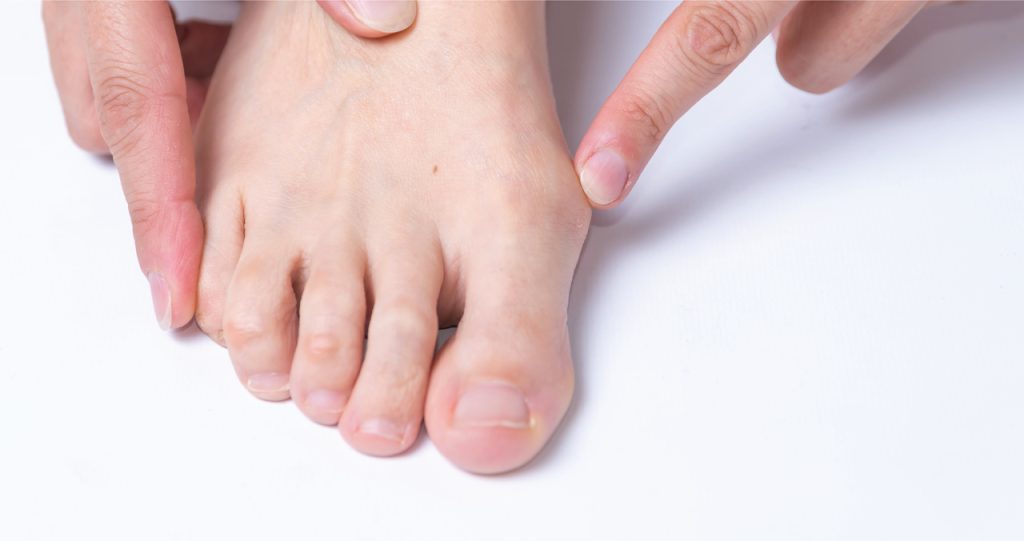
Bunions: How They Form, Prevention Tips & Treatment Options

Bunions are one of the most common foot deformities affecting adults worldwide. They can cause discomfort, swelling, and difficulty wearing certain shoes.

While many people believe bunions are simply a cosmetic issue, they are actually a progressive structural condition that can worsen over time without proper care.

What Is a Bunion?

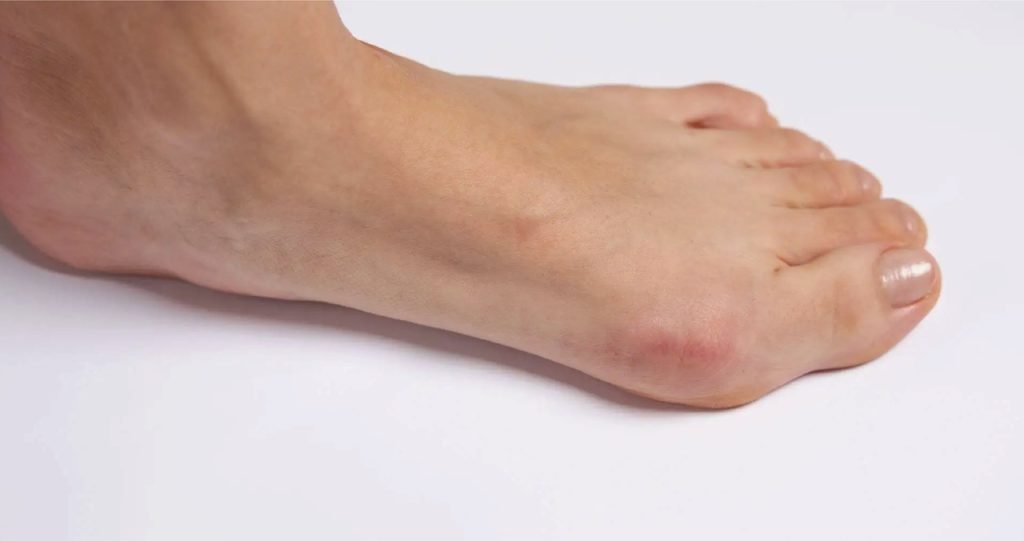
A bunion (hallux valgus) is a bony bump that forms at the base of the big toe joint. It develops when the big toe gradually shifts inward toward the second toe, causing the joint to protrude outward. Over time, this misalignment can lead to inflammation, stiffness, and pain.

How Do Bunions Form?

Bunions typically develop due to a combination of factors, including:

  • Genetics: Inherited foot structure plays a major role.
  • Improper footwear: Tight, narrow, or high-heeled shoes increase pressure on the forefoot.
  • Flat feet or overpronation: These conditions alter weight distribution.
  • Arthritis: Especially inflammatory types that affect joint stability.
  • Occupational stress: Jobs that require long hours of standing.

Symptoms of Bunions

Bunions can cause a range of noticeable symptoms as the joint becomes misaligned and irritated. Common symptoms include:

  • Visible bump at the base of the big toe
  • Redness and swelling around the joint
  • Pain during walking or wearing shoes
  • Limited movement of the big toe
  • Development of corns or calluses

Bunions Understanding and Preventing 1
The earlier these signs are recognized, the easier it is to manage discomfort and prevent progression.

Prevention Tips

While not all bunions can be prevented—especially if they are hereditary—early care can slow progression.

  • Wear wide, supportive shoes with proper toe space.
  • Avoid prolonged use of high heels.
  • Use custom orthotics if you have flat feet or an abnormal gait.
  • Maintain a healthy weight to reduce foot pressure.
  • Perform foot-strengthening and stretching exercises regularly.

Non-Surgical Treatment Options

In many cases, bunions can be managed without surgery. Conservative treatments aim to relieve pain and prevent worsening.

  • Custom orthotics to correct alignment and redistribute pressure
  • Padding and taping techniques to reduce friction
  • Anti-inflammatory treatments
  • Footwear modifications
  • Physical therapy exercises to improve joint mobility

Bunions Understanding and Preventing 2
With the right care plan, bunion discomfort can be significantly reduced and progression slowed, helping you stay active and comfortable without the need for surgery.

How Feetlab Can Help

At Feetlab, bunion care begins with a comprehensive podiatric assessment. Our specialists evaluate your gait, foot structure, and pressure distribution to determine the underlying cause of the deformity.

Feetlab offers personalized treatment plans that may include custom-made insoles, pain-relief therapies, and footwear guidance.

Our goal is to reduce discomfort, slow progression, and improve overall foot alignment without surgery whenever possible. Have a look at our Instagram page for more information regarding our services.

Final Thoughts

Bunions are progressive but manageable. Early diagnosis and proper foot care make a significant difference in preventing long-term complications.

If you notice changes in your toe alignment or experience persistent pain, book a consultation at Feetlab with our podiatry specialists to help protect your mobility and comfort.

Bunions: How They Form, Prevention Tips & Treatment Options

Bunions are one of the most common foot deformities affecting adults worldwide. They can cause discomfort, swelling, and difficulty wearing certain shoes.

While many people believe bunions are simply a cosmetic issue, they are actually a progressive structural condition that can worsen over time without proper care.

What Is a Bunion?

A bunion (hallux valgus) is a bony bump that forms at the base of the big toe joint. It develops when the big toe gradually shifts inward toward the second toe, causing the joint to protrude outward. Over time, this misalignment can lead to inflammation, stiffness, and pain.

How Do Bunions Form?

Bunions typically develop due to a combination of factors, including:

  • Genetics: Inherited foot structure plays a major role.
  • Improper footwear: Tight, narrow, or high-heeled shoes increase pressure on the forefoot.
  • Flat feet or overpronation: These conditions alter weight distribution.
  • Arthritis: Especially inflammatory types that affect joint stability.
  • Occupational stress: Jobs that require long hours of standing.

Symptoms of Bunions

Bunions can cause a range of noticeable symptoms as the joint becomes misaligned and irritated. Common symptoms include:

  • Visible bump at the base of the big toe
  • Redness and swelling around the joint
  • Pain during walking or wearing shoes
  • Limited movement of the big toe
  • Development of corns or calluses

Bunions Understanding and Preventing 1
The earlier these signs are recognized, the easier it is to manage discomfort and prevent progression.

Prevention Tips

While not all bunions can be prevented—especially if they are hereditary—early care can slow progression.

  • Wear wide, supportive shoes with proper toe space.
  • Avoid prolonged use of high heels.
  • Use custom orthotics if you have flat feet or an abnormal gait.
  • Maintain a healthy weight to reduce foot pressure.
  • Perform foot-strengthening and stretching exercises regularly.

Non-Surgical Treatment Options

In many cases, bunions can be managed without surgery. Conservative treatments aim to relieve pain and prevent worsening.

  • Custom orthotics to correct alignment and redistribute pressure
  • Padding and taping techniques to reduce friction
  • Anti-inflammatory treatments
  • Footwear modifications
  • Physical therapy exercises to improve joint mobility
Bunions Understanding and Preventing 2
With the right care plan, bunion discomfort can be significantly reduced and progression slowed, helping you stay active and comfortable without the need for surgery.

How Feetlab Can Help

At Feetlab, bunion care begins with a comprehensive podiatric assessment. Our specialists evaluate your gait, foot structure, and pressure distribution to determine the underlying cause of the deformity.

Feetlab offers personalized treatment plans that may include custom-made insoles, pain-relief therapies, and footwear guidance.

Our goal is to reduce discomfort, slow progression, and improve overall foot alignment without surgery whenever possible. Have a look at our Instagram page for more information regarding our services.

Final Thoughts

Bunions are progressive but manageable. Early diagnosis and proper foot care make a significant difference in preventing long-term complications.

If you notice changes in your toe alignment or experience persistent pain, book a consultation at Feetlab with our podiatry specialists to help protect your mobility and comfort.