
Toe Walking in Kids: When Parents Should Pay Attention

Children develop their walking patterns gradually as their muscles, balance, and coordination improve. During this stage, parents may notice different walking behaviors, including walking on the toes instead of placing the heel on the ground.

While toe walking can be a normal part of early development, persistent toe walking may sometimes indicate underlying muscular or biomechanical factors that deserve attention.

Understanding when toe walking is normal and when it may require professional evaluation can help parents support healthy movement as their child grows.

What Is Toe Walking?

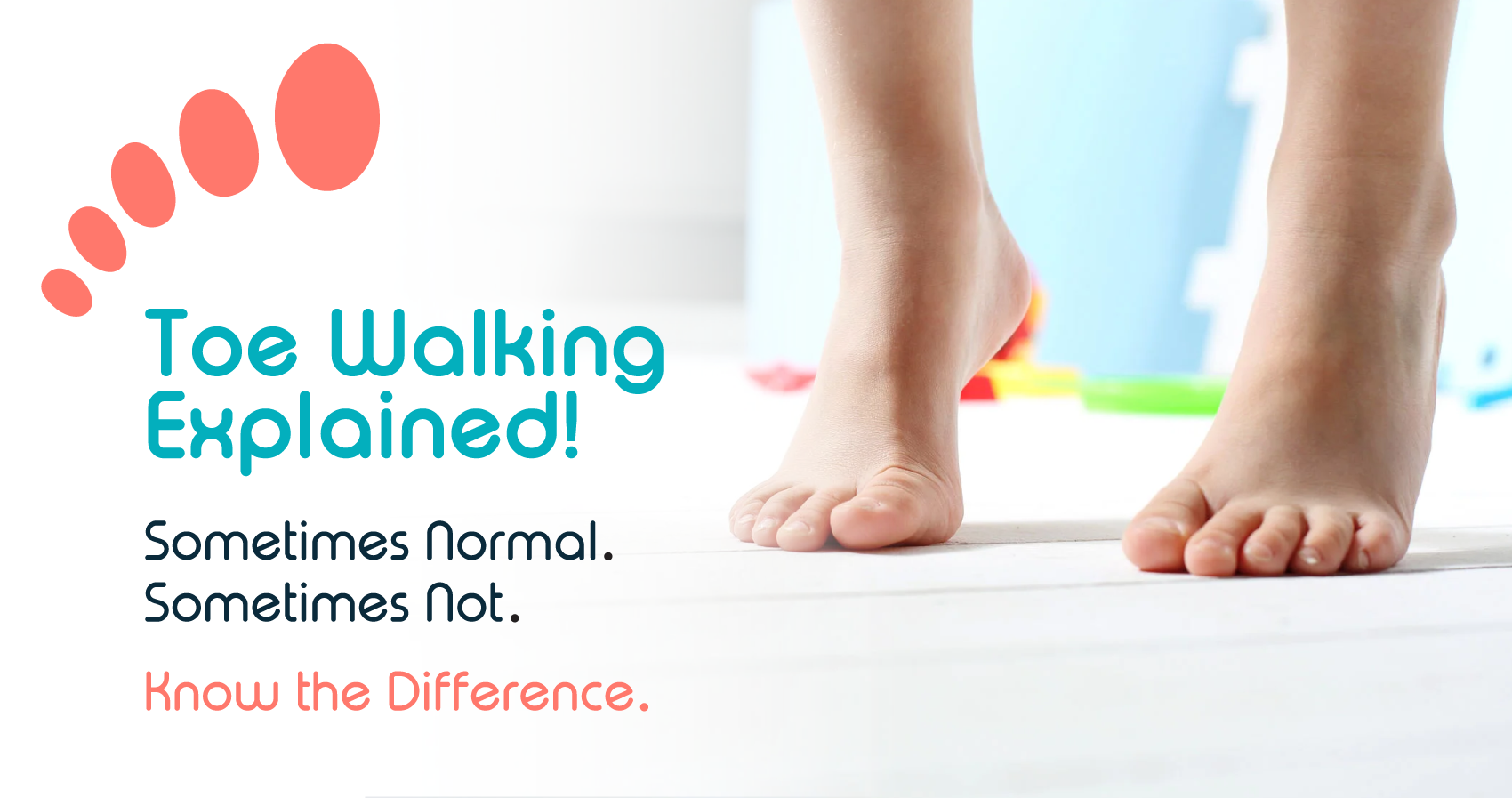
Toe walking occurs when a child walks primarily on the balls of their feet without allowing their heels to touch the ground. This walking pattern is commonly seen in toddlers who are still developing balance and exploring different ways of moving.


In many cases, children naturally transition to a typical heel-to-toe walking pattern as their coordination improves.

When Is Toe Walking Normal?

Occasional toe walking is generally considered normal in children under the age of 2 to 3 years. At this stage, the muscles, joints, and nervous system are still developing, and it is common for toddlers to experiment with different walking styles.

However, if toe walking continues frequently after the age of three, it may be helpful to have the child’s walking pattern assessed by a specialist.

Possible Causes of Toe Walking

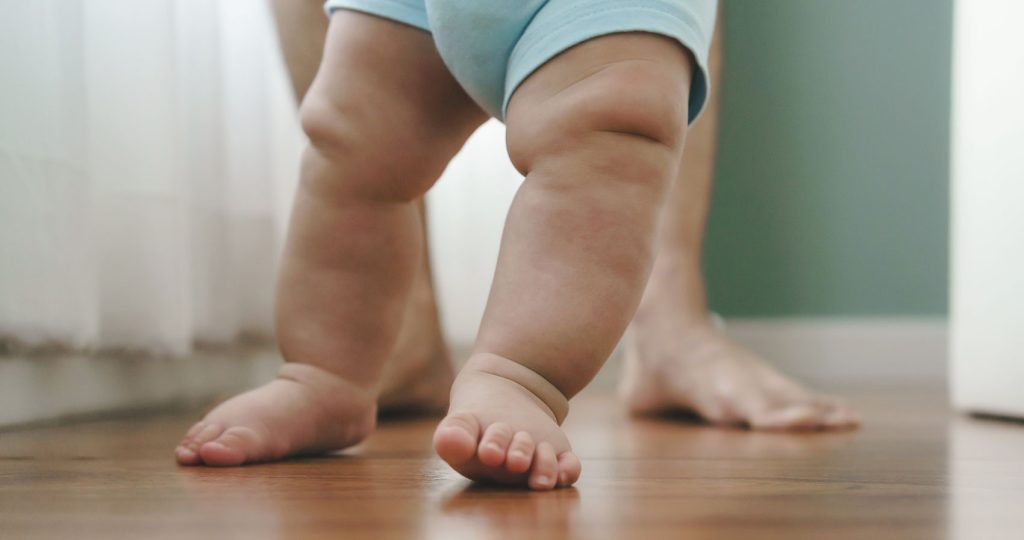
There are several reasons why some children continue to walk on their toes. In many cases, the cause may simply be a habit known as idiopathic toe walking, where no underlying medical condition is present.

Toe Walking 1
Other factors that may contribute include:

  • Tight calf muscles
  • Limited ankle flexibility
  • Biomechanical imbalances in the feet or legs
  • Sensory preferences affect how a child interacts with the ground

Identifying the cause early can help determine whether intervention or support is needed.

Signs Parents Should Watch For

Parents may want to consider a professional evaluation if they notice that their child:

  • Continues toe walking after the age of 3
  • Has difficulty placing their heels flat on the ground
  • Experiences leg or foot discomfort
  • Shows tightness or stiffness in the calves or ankles
  • Walks on their toes most of the time rather than occasionally

Early assessment can help identify potential issues before they affect posture, balance, or mobility.

How Foot Assessment Can Help

A professional gait and foot assessment provides valuable insights into how a child walks and how their feet interact with the ground. Specialists analyze posture, pressure distribution, and movement patterns to detect biomechanical imbalances.

At Feetlab, advanced assessment tools allow specialists to evaluate a child’s walking mechanics and determine whether additional support may be beneficial.

For more information and insights about how to keep your feet healthy, make sure you give our Instagram Page a thorough view.

Supporting Healthy Walking

When needed, solutions such as custom orthotic insoles may help guide the foot toward a healthier walking pattern and improve overall alignment. These solutions are designed to support natural movement while reducing strain on muscles and joints.

Early evaluation and guidance can help children develop stronger, more balanced walking patterns and reduce the risk of discomfort in the future. Book an appointment now.

Toe Walking in Kids: When Parents Should Pay Attention
Children develop their walking patterns gradually as their muscles, balance, and coordination improve. During this stage, parents may notice different walking behaviors, including walking on the toes instead of placing the heel on the ground.

While toe walking can be a normal part of early development, persistent toe walking may sometimes indicate underlying muscular or biomechanical factors that deserve attention.

Understanding when toe walking is normal and when it may require professional evaluation can help parents support healthy movement as their child grows.

What Is Toe Walking?

Toe walking occurs when a child walks primarily on the balls of their feet without allowing their heels to touch the ground. This walking pattern is commonly seen in toddlers who are still developing balance and exploring different ways of moving.


In many cases, children naturally transition to a typical heel-to-toe walking pattern as their coordination improves.

When Is Toe Walking Normal?

Occasional toe walking is generally considered normal in children under the age of 2 to 3 years. At this stage, the muscles, joints, and nervous system are still developing, and it is common for toddlers to experiment with different walking styles.

However, if toe walking continues frequently after the age of three, it may be helpful to have the child’s walking pattern assessed by a specialist.

Possible Causes of Toe Walking

There are several reasons why some children continue to walk on their toes. In many cases, the cause may simply be a habit known as idiopathic toe walking, where no underlying medical condition is present.
Toe Walking 1
Other factors that may contribute include:

  • Tight calf muscles
  • Limited ankle flexibility
  • Biomechanical imbalances in the feet or legs
  • Sensory preferences affect how a child interacts with the ground

Identifying the cause early can help determine whether intervention or support is needed.

Signs Parents Should Watch For

Parents may want to consider a professional evaluation if they notice that their child:

  • Continues toe walking after the age of 3
  • Has difficulty placing their heels flat on the ground
  • Experiences leg or foot discomfort
  • Shows tightness or stiffness in the calves or ankles
  • Walks on their toes most of the time rather than occasionally

Early assessment can help identify potential issues before they affect posture, balance, or mobility.

How Foot Assessment Can Help

A professional gait and foot assessment provides valuable insights into how a child walks and how their feet interact with the ground. Specialists analyze posture, pressure distribution, and movement patterns to detect biomechanical imbalances.

At Feetlab, advanced assessment tools allow specialists to evaluate a child’s walking mechanics and determine whether additional support may be beneficial.

For more information and insights about how to keep your feet healthy, make sure you give our Instagram Page a thorough view.

Supporting Healthy Walking

When needed, solutions such as custom orthotic insoles may help guide the foot toward a healthier walking pattern and improve overall alignment. These solutions are designed to support natural movement while reducing strain on muscles and joints.

Early evaluation and guidance can help children develop stronger, more balanced walking patterns and reduce the risk of discomfort in the future. Book an appointment now.